
Desire, play and agency
“Every human is born of a collision; we come into this world, the result of a covenant; sometimes made of love, sometimes of circumstance; but almost always made in secret.”
Marrying traditional methods of classical Indian storytelling with modern ways of interpretative and improvisational dance choreography, Shakuntala represents the woman of today. But what has really changed since the epic was written? Does her struggle, her raw emotion and the fact that she expresses herself and gets what she wants make her more real? Or does it make her a woman that society cannot identify with? You decide.
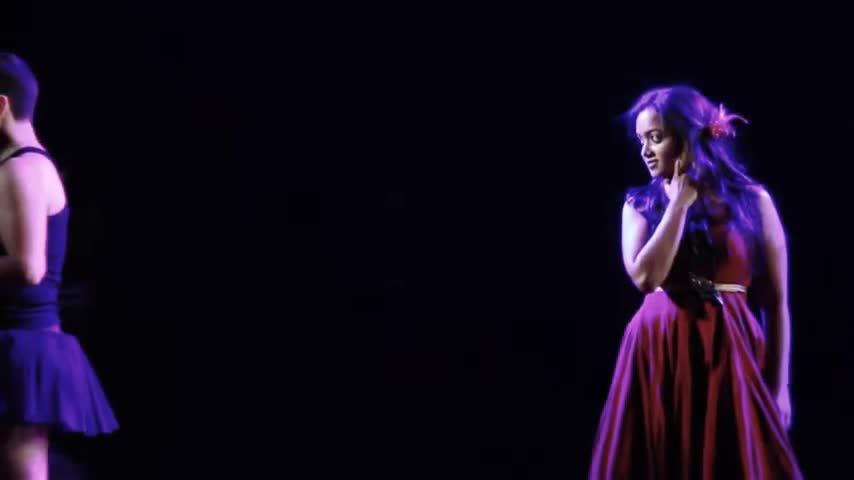
This part of the play is about Shakuntala seducing the river god Yaksha in order to reclaim what she lost by accident and he found purely by chance. Yet Yaksha feels entitled to keep it simply because he found it. The fact that Shakuntala must resort to manipulation to recover what is rightfully hers reflects a deeper imbalance of power - one that continues to resonate with the way society functions even today.
Power and Love
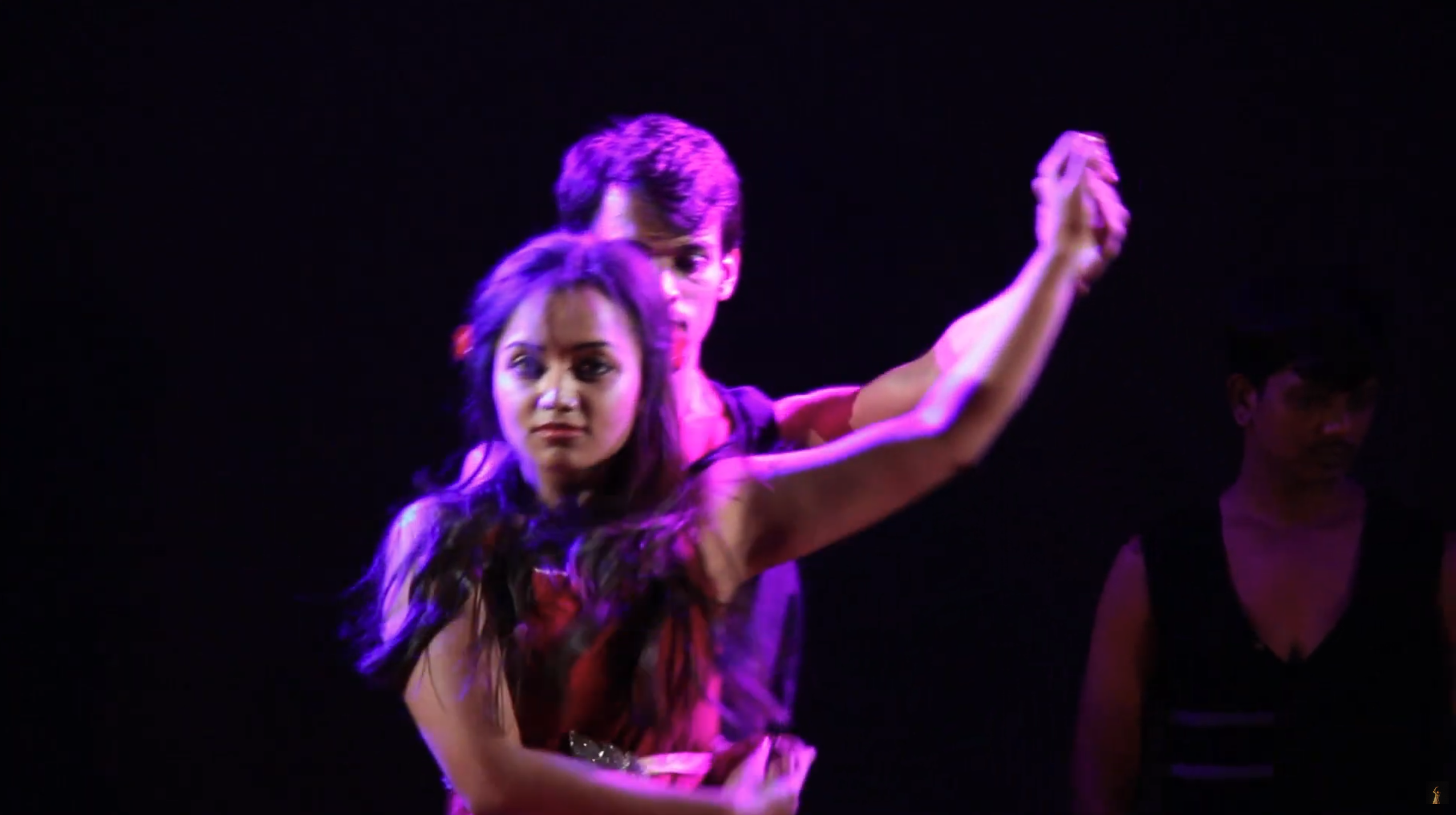
Still from Shakuntala · Choreography and direction: Swapnil Dagliya
The video Let Go portrays the moment when Shakuntala entices Dushyant and makes him fall in love with her simply because she can.
Watch Let GoGood Bye
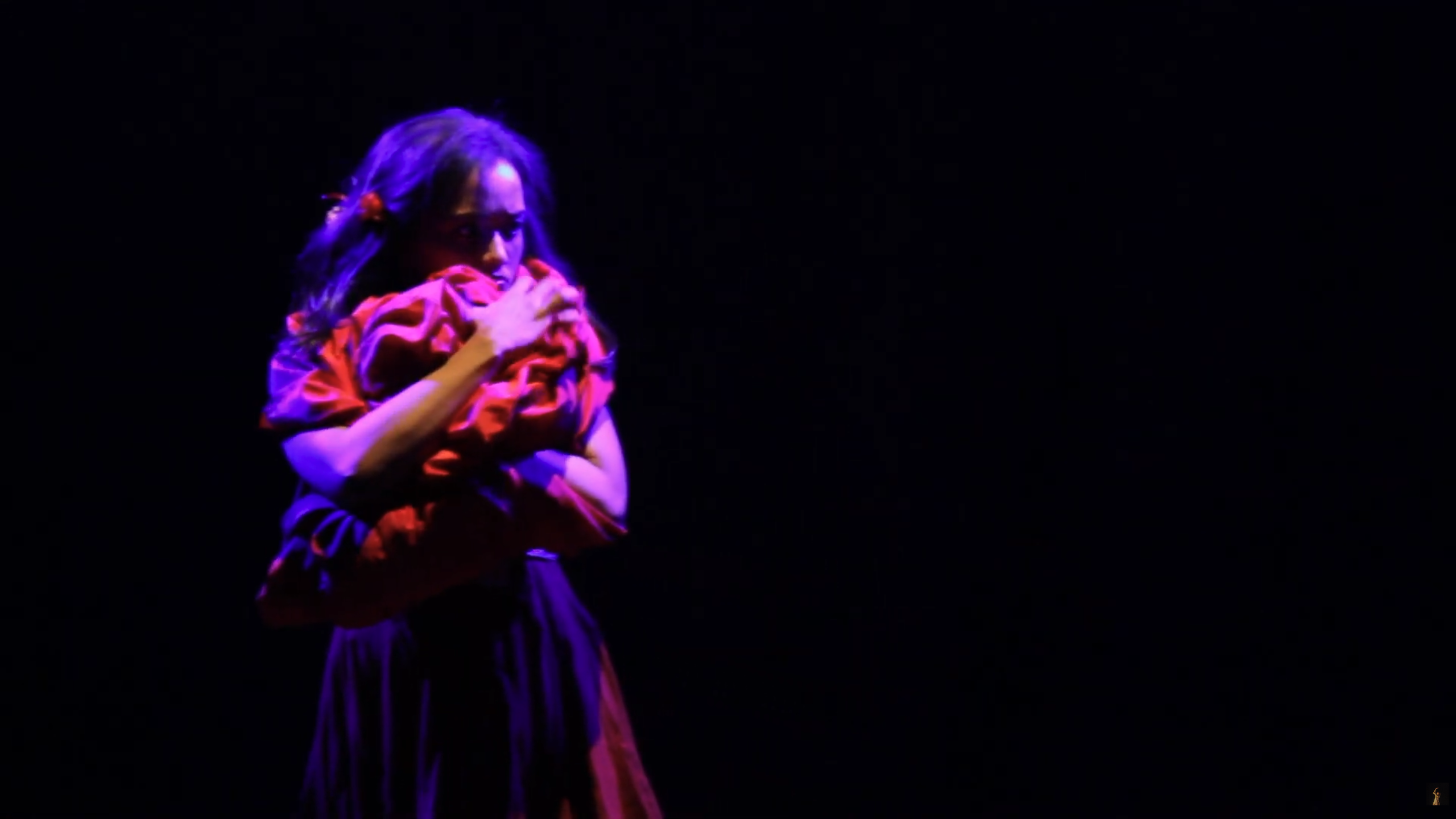
Still from Shakuntala · Choreography and direction: Swapnil Dagliya
In this video, Dushyant says goodbye to Shakuntala and leaves her with a symbol of his commitment and the promise that he will return for her.
Watch Good ByeProduction credits
Choreography and direction: Swapnil Dagliya. Assistant direction: Bhinoy Japher. Story: Swapnil Dagliya and Bhinoy Japher. Dialogues: Gazal Dhaliwal. Lights: Tejas Deodhar. Dancers: Pranali, Swapnil, Bhinoy, Diniz, Harpreet, Nagraj, Pranali J, Shreya and Sameeksha. Music: Let Go by Shafqat Amanat Ali and Salim Sulaiman · Dewarists.
Watch on YouTube
Watch the trailer or explore the complete Shakuntala playlist.